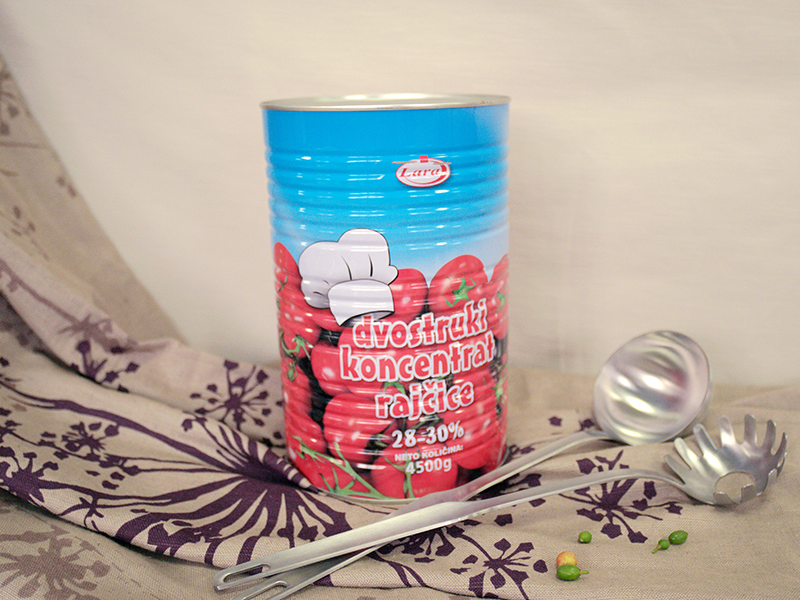
Shelf‑Stable tomato paste: Processing Principles and Quality Factors
Shelf-stable tomato paste is a cornerstone ingredient for food manufacturers, foodservice operators, and retailers around the world. Its long ambient shelf life, high tomato solids content, and concentrated flavor make it a preferred base for sauces, Soups, ready meals, and snack seasonings. This guide explains the processing principles, quality factors, packaging options, and technical specifications that define modern shelf‑stable tomato paste. The content is designed for SEO, using clear headings and keyword‑rich descriptions suitable for product category pages, industry resources, or technical blog articles.
What Is Shelf‑Stable Tomato Paste?
Shelf‑stable tomato paste is a thermally processed, highly concentrated tomato product that can be stored safely at ambient temperature for an extended period, typically 12–36 months, without microbial spoilage. It is produced by crushing ripe tomatoes, removing skins and seeds, concentrating the juice to a desired °Brix level, and applying heat treatment and hygienic packaging to ensure stability.
Unlike refrigerated or frozen tomato preparations, shelf‑stable tomato paste is formulated and processed to resist growth of spoilage microorganisms and pathogens under normal distribution and storage conditions. This is achieved through a combination of low pH, reduced water activity, heat sterilization or pasteurization, and oxygen‑managed packaging.
Key Characteristics of Shelf‑Stable Tomato Paste
- Produced from sound, ripe red tomatoes
- Concentrated to medium or high °Brix levels
- Low pH (typically 4.0–4.3) for microbial safety
- Heat treated to inactivate spoilage organisms
- Packaged in hermetically sealed containers
- Stable at ambient temperature for long periods
Typical Uses and Applications
Shelf‑stable tomato paste is used by industrial food processors, catering operations, and retail consumers as an economical and convenient source of tomato flavor, color, and natural umami. Because it is highly concentrated, it minimizes shipping volume and allows flexible formulation.
Common Industrial Applications
- Tomato sauces and pasta sauces
- Pizza sauces and ready‑to‑use pizza toppings
- Ketchup and tomato‑based condiments
- Ready meals, stews, and canned dishes
- Soups, broths, and bouillons
- Savory snacks and seasoning blends
- Marinades, dips, and dressings
Benefits of Shelf‑Stable Tomato Paste
For manufacturers and professional users, shelf‑stable tomato paste offers a combination of functional, economic, and logistical advantages. These benefits support consistent product quality and optimized supply chains.
Operational and Economic Advantages
- Extended shelf life: Ambient storage capability reduces refrigeration needs and simplifies inventory management.
- Concentrated solids: High °Brix means less water, lower transportation costs, and greater formulation flexibility.
- Cost efficiency: Tomato paste can replace fresh tomatoes in many applications, stabilizing costs across seasons.
- Reduced waste: Shelf‑stable formats minimize spoilage losses along the distribution chain.
- Consistent quality: Standardized specifications allow uniform color, flavor, and viscosity across batches.
Product Development Advantages
- Customizable solids levels: Multiple concentration ranges enable precise control of viscosity and intensity.
- Neutral base for flavoring: Acts as a stable carrier for herbs, spices, and added ingredients.
- Compatibility with various processes: Suitable for retorting, hot‑fill, aseptic processing, and UHT systems.
- Clean‑label potential: Standard formulations may use only tomatoes and salt, aligning with clean‑label trends.
Raw Materials and Pre‑Processing
The quality of shelf‑stable tomato paste begins with careful selection of raw tomatoes and proper handling prior to concentration and packaging. Raw material quality directly affects color, flavor, consistency, and final microbiological status.
Tomato Varieties and Quality Requirements
Industrial Tomato Paste Production predominantly uses processing tomato varieties bred for:
- High soluble solids (°Brix)
- Intense red color (high lycopene content)
- Firm texture and uniform shape
- Mechanized harvesting suitability
- Balanced acidity and flavor profile
Specifications for incoming raw tomatoes typically include:
| Parameter | Typical Requirement | Impact on Paste Quality |
| Maturity | Fully ripe, uniform red color | Determines flavor intensity and color uniformity |
| Defect tolerance | Limited rot, mold, or insect damage | High defect levels increase microbial load and off‑flavors |
| Foreign matter | Minimal soil, stones, plant debris | Influences safety, equipment wear, and clarity |
| Soluble solids | Typically > 4.5–5.0 °Brix | Higher °Brix improves yield and energy efficiency |
| pH | Generally 4.0–4.5 | Affects microbial safety and thermal processing needs |
Sorting, Washing, and Trimming
Before processing into shelf‑stable tomato paste, tomatoes undergo:
- Sorting and grading: Removal of defective fruits, foreign materials, and underripe or overripe tomatoes.
- Washing and sanitizing: Multi‑stage washing with potable water and sometimes approved sanitizers to reduce surface contamination.
- Trimming: Optional manual or mechanical trimming of blemishes and stems for enhanced quality.
Processing Principles for Shelf‑Stable Tomato Paste
Shelf‑stable tomato paste production integrates mechanical, thermal, and hygienic controls to achieve a concentrated, microbiologically stable product. Each processing step influences texture, flavor, color, and safety.
Main Processing Steps
- Pre‑heating and enzyme inactivation
- Pulping and refining
- Evaporation and concentration
- De‑aeration and homogenization
- Thermal processing (sterilization or pasteurization)
- Aseptic or hot‑fill packaging
Pre‑Heating and Enzyme Control
Pre‑heating tomatoes before pulping is a critical step in preserving texture and color. Tomato tissue contains pectolytic enzymes that can break down cell walls and reduce viscosity if not inactivated.
- Typical pre‑heating temperatures: 65–95 °C
- Typical holding times: 1–10 minutes, depending on target texture
- Purpose: Inactivate pectin methylesterase and polygalacturonase, improving paste consistency
Pulping, Refining, and De‑seeding
After pre‑heating, tomatoes are crushed and passed through pulpers and refiners. These units separate pulp and juice from skins and seeds. The mesh size of refiners determines the fineness of the paste and the presence of small tissue particles.
- Pulping: Mechanical breaking of tomatoes to release juice and pulp.
- Refining: Separation of undesirable skin and seed fractions from the puree.
- Particle size control: Fine screens produce smooth paste; coarser screens retain more tissue texture.
Evaporation and Concentration (°Brix Control)
The core transformation from tomato puree to tomato paste occurs in the evaporation stage. Vacuum evaporators are commonly used to remove water at controlled temperatures, preserving flavor and color while increasing solids content.
- Vacuum evaporation: Lower boiling point reduces thermal damage.
- Multiple‑effect systems: Improve energy efficiency.
- Target °Brix: Medium (e.g., 22–24 °Brix) to high (e.g., 28–30+ °Brix) depending on specification.
The rate of evaporation, residence time, and temperature profile influence:
- Color stability and browning
- Flavor concentration and cooked notes
- Viscosity and texture (due to thermal effects on pectins and pulp)
De‑Aeration and Homogenization
Oxygen removal is vital for shelf‑stable tomato paste to maintain color and prevent oxidative off‑flavors. De‑aerators are often integrated before or during concentration to strip dissolved air.
- De‑aeration: Vacuum systems remove entrained air and gases.
- Homogenization: Optional step to refine particle distribution and achieve uniform mouthfeel.
Thermal Processing for Shelf Stability
To ensure that shelf‑stable tomato paste remains safe at ambient temperature, it must be thermally processed to destroy vegetative microorganisms and, in some processing regimes, spores of heat‑resistant organisms.
- Pasteurization: Suitable for high‑acid products in some pack sizes and distributions.
- Sterilization / UHT: Higher temperature treatment for aseptic tomato paste intended for long‑term storage and global shipping.
- Heat penetration: Processing conditions are validated based on pH, viscosity, and container size.
Aseptic vs. Hot‑Fill Processes
Two major process routes are used to create shelf‑stable tomato paste:
| Process Type | Description | Advantages | Typical Applications |
| Aseptic processing | Tomato paste is sterilized continuously, then filled into pre‑sterilized containers in a sterile environment. | Long shelf life, minimal flavor damage, large‑scale bulk packaging, efficient for industrial uses. | Industrial drums, bag‑in‑drum, totes, large‑volume foodservice packs. |
| Hot‑fill processing | Tomato paste is filled at high temperature into clean containers, which are then sealed to achieve commercial sterility. | Suitable for consumer packs, relatively simple equipment, flexible for multiple container types. | Retail cans, glass jars, pouch packs, small foodservice containers. |
Key Quality Factors for Shelf‑Stable Tomato Paste
Quality attributes of shelf‑stable tomato paste influence its performance in downstream applications and consumer perception of finished products. Important factors include solids content, color, flavor, viscosity, and microbiological status.
Chemical and Physical Parameters
The following chemical and physical indices are commonly defined in product specifications:
| Parameter | Typical Range | Importance |
| Soluble solids (°Brix) | 22–30+ °Brix, depending on grade | Defines concentration, impacts yield and viscosity in end use. |
| pH | 4.0–4.3 (usually < 4.5) | Critical for microbial safety and thermal processing efficacy. |
| Acidity | 0.4–1.2% (as citric acid, product‑dependent) | Contributes to flavor balance, shelf stability, and pH adjustment. |
| Viscosity | Measured by Bostwick or viscometer | Determines texture, pourability, and performance in sauces. |
| Color value | e.g., high a/b ratio by HunterLab | Affects visual appeal of sauces and condiments. |
| Pulp content | Specified as fine or coarse pulp | Controls mouthfeel and appearance in finished products. |
Color Quality
Red color intensity is one of the most critical quality parameters for shelf‑stable tomato paste. It is largely determined by lycopene content and processing conditions that influence pigment stability.
- Uniform deep red color indicates ripe raw materials and controlled thermal treatment.
- Excessive browning or darkening may signal over‑processing or oxidation.
- Instrumental color analysis (e.g., L, a, b values) is often used in quality control.
Flavor Profile
Desired flavor characteristics of shelf‑stable tomato paste include:
- Clean, natural tomato taste
- Balanced sweetness and acidity
- Absence of burnt, metallic, or moldy notes
- Moderate cooked flavor without excessive caramelization
Flavor quality is influenced by:
- Variety and maturity of tomatoes
- Time‑temperature profile during evaporation
- Oxygen exposure before and after concentration
- Storage conditions (temperature, light, oxygen)
Microbiological Quality and Safety
Shelf‑stable tomato paste must meet strict microbiological criteria to ensure safety and prevent spoilage during ambient storage.
| Microbiological Criterion | Typical Expectation for Shelf‑Stable Paste | Relevance |
| Total plate count | Low counts or not detectable in aseptic paste | Indicates overall hygienic quality of process. |
| Yeasts and molds | Not detectable in standard test volumes | Important for preventing swelling, gas, and off‑flavors. |
| Pathogens (e.g., Salmonella) | Absent in defined sample size | Essential for food safety compliance. |
| Sporing bacteria | Controlled through validated thermal process | Critical for long‑term ambient storage. |
Common Grades and Specifications
Shelf‑stable tomato paste is commonly specified by concentration level (°Brix), packaging format, and functional parameters like viscosity and salt content. The following tables outline industry‑typical categories and example specifications.
Concentration Levels (°Brix Ranges)
| Grade | Soluble Solids (°Brix) | Typical Use |
| Medium‑concentration tomato paste | ~22–24 °Brix | Base for sauces and soups where further dilution or blending is required. |
| High‑concentration tomato paste | ~28–30 °Brix | Economical bulk shipping, used in high‑tomato products or reconstituted to lower solids. |
| Extra‑concentrated tomato paste | > 30 °Brix (application dependent) | Specialty applications requiring maximum concentration or specific processing constraints. |
Example Specification Sheet for Shelf‑Stable Tomato Paste
| Category | Typical Specification |
| Raw material | 100% ripe red tomatoes, optionally with added salt. |
| Soluble solids (°Brix) | 28–30 °Brix (for high‑concentration grade). |
| pH | 4.0–4.3, adjusted if needed to meet regulatory definitions of high‑acid food. |
| Total acidity | As agreed, often expressed as citric acid. |
| Color | Deep, characteristic red; minimum a/b ratio as defined by customer. |
| Flavor and odor | Clean, typical of cooked tomato; free from foreign and off‑odors. |
| Texture | Uniform paste; free from large peel or seed particles; specified Bostwick or viscosity. |
| Microbiology | Commercially sterile; compliant with applicable food safety regulations. |
| Additives | Optional salt; other additives only if permitted and declared according to regulations. |
| Packaging | Aseptic bags in drums, metal cans, or other hermetically sealed containers. |
| Storage | Cool, dry conditions away from direct sunlight; ambient temperature unless specified. |
| Shelf life | Typically 12–24 months from production date, depending on packaging and conditions. |
Packaging Options for Shelf‑Stable Tomato Paste
Packaging plays a central role in ensuring that tomato paste remains stable and high‑quality throughout its shelf life. The choice of packaging is guided by target market (industrial, foodservice, or retail), logistics, and desired shelf‑life.
Common Packaging Formats
| Format | Description | Typical Use |
| Aseptic bag‑in‑drum | Sterile multi‑layer bag inside a steel or fiber drum, often 200–250 kg net. | Industrial customers, large food processors, centralized sauce production. |
| Intermediate bulk containers (IBCs) | Large totes or bins with aseptic liners, often 1,000 L or more. | High‑volume manufacturers and institutional food systems. |
| Metal cans | Hermetically sealed, lacquered cans in various sizes. | Retail sales, foodservice, small industrial batch use. |
| Glass jars | Heat‑resistant jars with vacuum closures. | Retail products emphasizing premium appearance and transparency. |
| Flexible pouches | Laminated pouches, including retortable and stand‑up formats. | Single‑serve, convenience products, and flexible packaging solutions. |
Packaging Performance Requirements
- Barrier to oxygen and light: Essential for color and flavor stability.
- Mechanical strength: Resistant to puncture, compression, and transport shocks.
- Chemical compatibility: Coatings and liners must be compatible with acidic tomato paste.
- Hermetic sealing: Reliable seals and closures prevent recontamination after processing.
Shelf Life and Storage Conditions
Shelf‑stable tomato paste is designed for long‑term storage at ambient conditions, but temperature, humidity, and light exposure still influence its ultimate shelf life and quality retention.
Typical Shelf‑Life Ranges
| Packaging Type | Typical Shelf Life (Unopened) | Storage Notes |
| Aseptic bag‑in‑drum | Up to 24–36 months | Store in cool, dry area; avoid freezing and high temperatures. |
| Metal cans | 12–24 months | Protect from corrosion; avoid impact damage to seams. |
| Glass jars | 12–24 months | Avoid direct sunlight and thermal shocks. |
| Flexible pouches | 9–18 months (depending on structure) | Protect from puncture; store away from sharp objects and compression. |
Storage Best Practices
- Maintain moderate ambient temperature, typically 5–25 °C, unless otherwise specified.
- Avoid prolonged exposure to high heat or sub‑zero temperatures.
- Keep containers in clean, dry, well‑ventilated warehouses.
- Follow first‑in, first‑out (FIFO) inventory rotation based on production date or batch code.
Quality Control and Testing Methods
Consistent quality in shelf‑stable tomato paste is maintained through systematic testing and process control. Typical quality control programs combine chemical, physical, sensory, and microbiological evaluations.
Routine Laboratory Analyses
- °Brix measurement: Using refractometer to confirm solids concentration.
- pH determination: Using calibrated pH meter to ensure acidification targets.
- Titratable acidity: To assess acid level and flavor balance.
- Viscosity tests: Bostwick consistometer or rotational viscometer readings.
- Color analysis: Instrumental evaluation for consistent color values.
- Microbiological tests: Monitoring of total plate count, yeasts, molds, and pathogens.
Sensory Evaluation
Sensory panels or trained assessors evaluate:
- Appearance and color uniformity
- Aroma and presence of off‑odors
- Taste profile, including sweetness, acidity, and any bitterness
- Texture and mouthfeel when reconstituted or used in model sauces
Factors Affecting Shelf‑Stable Tomato Paste Quality
Several variables along the supply chain influence the final quality and stability of shelf‑stable tomato paste. Understanding these factors helps manufacturers and users optimize product performance.
Raw Material Variability
- Seasonal differences in °Brix and acidity.
- Variations in lycopene content and natural color.
- Differences in flavor compound profiles among varieties and growing regions.
Processing Conditions
- Pre‑heating regimes that affect enzyme inactivation and texture development.
- Evaporation temperature and residence time influencing Maillard reactions and flavor.
- Efficiency of de‑aeration affecting oxidation and shelf‑life stability.
- Thermal process validation to assure microbial safety without overcooking.
Packaging and Post‑Processing Handling
- Integrity of aseptic systems and hygienic design.
- Container closure quality and seam/ seal performance.
- Cooling curves post‑fill that impact vacuum formation and internal pressure.
Storage and Distribution
- Temperature fluctuations contributing to quality degradation.
- Exposure to light promoting pigment degradation.
- Mechanical impacts damaging containers and seals.
Regulatory and Labeling Considerations
Shelf‑stable tomato paste must comply with relevant food standards and labeling regulations in each target market. While exact requirements vary by jurisdiction, several common elements apply.
Product Definition and Composition
- Minimum tomato solids content (°Brix) for products labeled as tomato paste.
- Permitted ingredients, such as salt and organic acids where allowed.
- Limits on pesticide residues, heavy metals, and contaminants.
Labeling Requirements
- Clear product name (e.g., “tomato paste” or equivalent local term).
- List of ingredients in descending order of weight.
- Net weight or volume declaration.
- Best‑before date or expiration date.
- Batch or lot identification for traceability.
- Storage instructions and usage recommendations where relevant.
Technical Selection Guide for Buyers
When selecting shelf‑stable tomato paste for industrial or foodservice applications, buyers frequently compare products on technical, functional, and logistical criteria. The following checklist can support specification and procurement decisions.
Key Selection Parameters
- Solids content: Align °Brix with desired dilution or final product solids.
- Color intensity: High color value supports visually appealing sauces and condiments.
- Viscosity profile: Match application needs, from pourable to thick pastes.
- Salt content: Determine whether added salt is compatible with formulations.
- Packaging format: Choose between drums, cans, jars, and pouches based on line design and throughput.
- Shelf life: Ensure declared shelf life fits logistics and inventory cycles.
- Food safety certifications: Verify compliance with relevant safety management systems and regulations.
Integration of Shelf‑Stable Tomato Paste in Formulations
Food technologists and product developers use shelf‑stable tomato paste as a flexible component in a wide range of formulations. Understanding its functional contribution helps optimize application performance.
Functional Contributions
- Provides natural color and enhances red appearance in sauces and Stews.
- Interacts with thickeners and starches to adjust sauce viscosity.
- Contributes to the acid profile and pH adjustment of finished foods.
- Acts as a flavor base for savory products, reducing need for artificial colorants.
Formulation Considerations
- Reconstitution ratios when diluting high‑Brix paste to puree or single‑strength juice equivalence.
- Interaction with dairy, fats, and proteins in complex sauces.
- Salt balancing when using salted tomato paste in systems with existing sodium content.
- Heat stability during downstream cooking, retorting, or baking of the final product.
Trends in Shelf‑Stable Tomato Paste Production
The shelf‑stable tomato paste industry continues to evolve to meet efficiency, sustainability, and consumer‑driven trends. Several developments are notable.
Process and Technology Developments
- Improved evaporator designs to reduce energy use and minimize thermal impact.
- Advanced aseptic systems with stronger hygiene controls and automation.
- Better de‑aeration and nitrogen blanketing techniques to protect color and flavor.
Product and Market Trends
- Growing demand for clean‑label products with minimal or no added ingredients.
- Increased use of shelf‑stable tomato paste in plant‑based meals and vegan products.
- Interest in higher‑Brix pastes to reduce shipping costs and environmental footprint per unit of solids.
- Developments in recyclable and lightweight packaging solutions for industrial and retail formats.
Summary
Shelf‑stable tomato paste is a critical, high‑value ingredient for the global food industry. By combining suitable raw tomatoes with controlled processing, concentration, and robust packaging, producers deliver a product that is safe, versatile, and convenient for ambient storage. Key quality factors include solids content, color, flavor, texture, microbiological stability, and shelf life. Clear technical specifications and understanding of processing principles enable food manufacturers, developers, and buyers to select and use shelf‑stable tomato paste effectively in a wide array of applications.


 Telephone: +86-0478-8271258
 E-mail: e-mail sales@sinotom.com
 Address: 7F, JINTAI BLDG, SHENGLI RD, LINHE DIST, BAYANNAOER CITY, INNER MONGOLIA, CHINA.
 Español
 Pусский
 Français
 العربية



 WhatsApp
 Phone
Comment
(0)